
Saving money sounds simple until real life gets involved. Rent rises. Groceries cost more than planned. A medical bill appears. An insurance renewal or urgent repair wipes out the progress you made.
That is why “just spend less” is weak advice. The problem is not always poor discipline. More often, there is no system. Income lands in one account, dozens of expenses compete for it, and saving is left until month-end. By then, little remains.
A better method reverses the order. Decide what must be saved, move it before casual spending begins, and give the remaining money a clear purpose. The goal is not to remove every pleasure from your life. It is to create enough space between income and spending that one surprise bill does not force you into debt.
Saving also creates options. It can help you leave a bad job, handle a repair without borrowing, pay an annual bill at once, or act on an opportunity without waiting for the next salary.
The following system uses realistic numbers and practical account structures. It works for salaried households, freelancers, and people whose income changes from month to month.
1. Start With Real Cash Flow, Not an Ideal Budget
Most budgets fail because they begin with guesses. People underestimate food, forget annual expenses, ignore cash purchases, and label recurring costs as “one-time” events.
SEBI explains that budgeting involves documenting income and expenses so you can control spending, save, repay debt, and work toward financial goals. The key is documenting what actually happened before deciding what should happen next.
Calculate Your True Monthly Cost
Review at least three months of bank statements, cards, digital wallets, and cash withdrawals. Group your spending into four categories:
- Fixed essentials: Rent, loan payments, school fees, insurance, and utilities
- Variable essentials: Groceries, fuel, medicines, and household purchases
- Lifestyle spending: Dining out, shopping, subscriptions, and entertainment
- Irregular obligations: Repairs, festivals, gifts, annual premiums, and taxes
Suppose a household earns ₹80,000 per month. Its visible monthly expenses are ₹58,000. However, insurance, repairs, gifts, and travel total ₹96,000 a year, equal to another ₹8,000 per month.
Its true monthly spending is closer to ₹66,000, leaving a realistic saving capacity of ₹14,000, not ₹22,000.
This distinction matters. Without including irregular expenses, you may repeatedly believe that you are “overspending,” when the real problem is that your budget was incomplete from the beginning.
Use Three Savings Targets
A single savings target can feel rigid, especially when electricity bills, medical expenses, or income fluctuate. Set three levels instead:
- Minimum: ₹5,000
- Target: ₹10,000
- Stretch: ₹15,000
The minimum is the amount you protect even during a difficult month. The target reflects a normal month. The stretch amount applies when you earn a bonus, receive freelance income, or spend less than expected.
Why it matters: One expensive month may reduce your contribution, but it does not destroy the saving habit. Consistency is more valuable than chasing a perfect number and repeatedly falling to zero.
2. Pay Yourself First and Automate It

Saving whatever remains at month-end rarely works because spending expands to fit the available balance. Treat saving like a mandatory bill instead.
The Consumer Financial Protection Bureau and FDIC recommend automatic transfers as a practical way to make saving more consistent. The FDIC notes that saving $20 from every biweekly paycheque produces $520 in one year, even before interest is added.
Split Your Salary on Payday
Assume your monthly salary is ₹60,000 and your savings target is ₹9,000. On salary day, automate the following transfers:
- ₹4,000 to an emergency fund
- ₹3,000 to a short-term goal account
- ₹2,000 to long-term investments
The remaining ₹51,000 becomes your spending ceiling.
This works better than leaving ₹60,000 in one account and hoping not to touch ₹9,000. Once the money is separated, you are less likely to treat it as available for shopping, dining, or impulse purchases.
People often wait until the end of the month to save because they want to “see what is left.” In practice, that usually means saving is competing against every other expense. Paying yourself first removes that competition.
Add Friction to Your Savings
Do not keep emergency money in the same account used for UPI payments, debit cards, subscriptions, and everyday purchases.
A practical three-account setup includes:
- Income and bills account
- Weekly spending account
- Savings and emergency account
Suppose your flexible spending limit is ₹12,000 per month. Instead of transferring the full amount to your spending account on the first day, transfer ₹3,000 each week.
This creates a natural spending reset. If you use the entire ₹3,000 by Thursday, you know you must slow down until the next weekly transfer.
Your emergency account should remain accessible, but it should not be attached to every payment app. Even a small delay between wanting the money and being able to spend it can prevent unnecessary withdrawals.
Why it matters: Automation protects savings from impulse, stress, forgetfulness, and decision fatigue. A good financial system does not depend on feeling disciplined every day.
3. Cut Large Expenses Before Chasing Tiny Savings
Skipping one coffee may save ₹150. Reducing housing, transport, or food costs can save thousands.
Small cuts are still useful, particularly when they involve habits repeated every day. But the largest categories determine whether your budget has breathing room.
Housing: Calculate the Payback Period
Consider a renter paying ₹25,000 per month who finds a similar home for ₹22,000. The monthly saving is ₹3,000.
Moving and brokerage costs total ₹20,000. Divide the one-time cost by the monthly saving:
₹20,000 ÷ ₹3,000 = approximately 6.7 months
After roughly seven months, the moving cost has been recovered. The annual saving after that point becomes ₹36,000.
However, the calculation should include more than rent. A cheaper property may increase commuting expenses, require new furniture, or come with higher maintenance charges.
The expert approach is to compare the full cost of both homes, not just the advertised rent.
Transport: Count the Full Cost
A car does not cost only the EMI and fuel.
Suppose your monthly vehicle expenses are:
- EMI: ₹8,000
- Fuel: ₹5,000
- Insurance and maintenance reserve: ₹1,500
- Parking: ₹1,000
The true monthly cost is approximately ₹15,500.
If public transport and occasional cabs would cost ₹6,500, the difference is ₹9,000 per month, or ₹1.08 lakh per year.
This does not mean every car owner should sell their vehicle. A car may be necessary for work, children, medical needs, safety, or an exhausting commute.
The point is to calculate insurance, repairs, tyres, parking, depreciation, and loan interest instead of judging affordability based on fuel alone.
Food: Cut Waste, Not Nutrition
Food budgets often leak through unplanned delivery orders, duplicate grocery purchases, forgotten subscriptions, and ingredients that spoil before being used.
Suppose a family spends ₹12,000 on groceries and ₹8,000 on food delivery. Instead of setting an unrealistic target of ₹10,000, it could aim for ₹16,000.
That saves ₹4,000 per month, or ₹48,000 per year.
Practical controls include:
- Planning five or six main meals before shopping
- Placing one main grocery order each week
- Keeping a visible “use first” section in the refrigerator
- Setting a separate dining-out allowance
- Avoiding grocery shopping while hungry
- Checking existing supplies before placing an order
Why it matters: A 10 percent reduction in a ₹25,000 category saves more than a 50 percent reduction in a ₹500 category. Start where the money is actually going.
4. Build an Emergency Fund in Layers
An emergency fund is cash reserved for unplanned expenses such as medical bills, home repairs, vehicle breakdowns, or temporary income loss.
The CFPB defines it as a dedicated cash reserve for financial emergencies. RBI financial education material also recommends keeping emergency money separately in an account that is easy to access when genuinely needed.
Trying to save six months of expenses immediately can feel impossible. Build the fund in stages.
Stage 1: Create a Starter Buffer
Start with an amount that can prevent a common setback from becoming debt. Depending on your household, this may be ₹15,000, ₹25,000, or one month of essential bills.
At ₹3,000 per month, a ₹24,000 starter fund takes eight months.
You can accelerate the process by directing part of any bonus, tax refund, gift, incentive, commission, or freelance payment toward the fund.
A useful rule for irregular income is to save a fixed percentage rather than a fixed amount. For example, you could direct 40 percent of every bonus or freelance payment to your emergency reserve.
Stage 2: Cover One Month of Essentials
Your emergency target should be based on essential expenses, not your full lifestyle.
Suppose your normal monthly spending is ₹60,000, but your essential expenses are:
- Rent and utilities: ₹20,000
- Groceries: ₹9,000
- Loan payments: ₹7,000
- Transport: ₹4,000
- Insurance and medicines: ₹2,000
Your essential monthly cost is ₹42,000. That becomes your first major emergency-fund target.
Stage 3: Reach Three to Six Months
A two-income salaried household may feel comfortable with approximately three months of essential expenses. A freelancer, business owner, commission-based worker, or single-income family may need six months or more.
For essential expenses of ₹42,000:
- Three months: ₹1,26,000
- Six months: ₹2,52,000
Keep this money liquid and relatively low risk. Emergency savings are not designed to generate the highest possible return. Their main job is to remain available when markets are falling, income has stopped, or an urgent bill must be paid.
Why it matters: Without a cash buffer, a ₹30,000 emergency can become expensive credit-card or personal-loan debt that eventually costs far more than ₹30,000.
5. Use Sinking Funds for Predictable Irregular Expenses
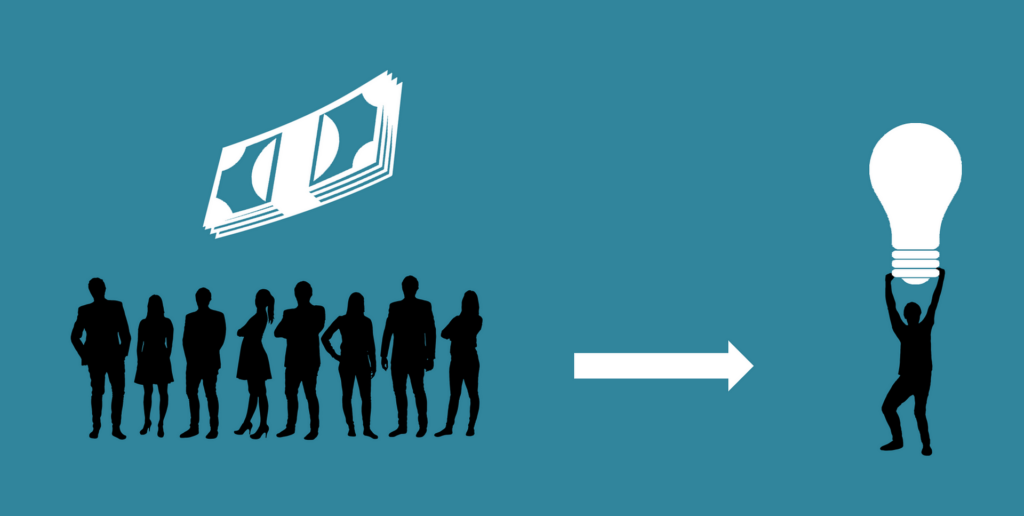
Many so-called emergencies are simply delayed bills.
Insurance renewals, festivals, school costs, vehicle servicing, birthdays, annual subscriptions, and planned travel are predictable. They feel unexpected only because no money was reserved for them.
A sinking fund divides a future expense into smaller monthly contributions.
Suppose you expect the following annual costs:
- Insurance: ₹24,000
- Festivals and gifts: ₹18,000
- Repairs and maintenance: ₹12,000
- Travel: ₹30,000
The annual total is ₹84,000.
Divide ₹84,000 by 12, and you need to save ₹7,000 per month.
You can create separate digital savings buckets or maintain one sinking-fund account with a basic spreadsheet. The account may show a balance of ₹35,000, but your tracker might show:
- ₹15,000 allocated to insurance
- ₹8,000 allocated to repairs
- ₹12,000 allocated to travel
This distinction prevents false confidence. The ₹35,000 is not available for random spending because every rupee already has a purpose.
Why it matters: Emergency funds cover the unknown. Sinking funds cover known expenses that do not arrive every month. Mixing them weakens both.
6. Control Debt Before It Consumes Your Savings
Saving money while carrying expensive debt can feel like filling a bucket with a hole in the bottom. You deposit money into savings, but interest charges quietly pull more money out of your budget each month.
Not all debt is equally damaging. A home loan at a moderate interest rate is very different from revolving credit-card debt charging several times more.
Prioritise High-Interest Debt First
Suppose you have:
- Credit-card balance: ₹80,000 at 36 percent annual interest
- Personal loan: ₹1,50,000 at 15 percent
- Education loan: ₹3,00,000 at 9 percent
The credit card deserves immediate attention because its interest cost is the highest.
At 36 percent a year, an ₹80,000 balance can generate roughly ₹28,800 in annual interest if it remains unpaid. Even if the actual charge varies because of repayments and billing cycles, the cost is still substantial.
A practical order is:
- Make minimum payments on every debt
- Keep a small emergency buffer
- Direct extra money toward the highest-interest balance
- Move to the next debt after the first is cleared
This is known as the debt avalanche method.
Avalanche vs Snowball Method
The avalanche method attacks the debt with the highest interest rate first. It usually saves the most money.
The snowball method focuses on the smallest balance first, regardless of interest rate. It may cost slightly more, but early wins can keep you motivated.
Suppose you owe:
- ₹20,000 on one card
- ₹55,000 on another
- ₹1,20,000 on a personal loan
Clearing the ₹20,000 balance first may give you a psychological boost. However, if the ₹55,000 card has a much higher rate, attacking that balance first is mathematically stronger.
Why it matters: The best strategy is not only the one that looks efficient on paper. It is the one you are likely to follow consistently until the debt is gone.
7. Reduce Lifestyle Inflation as Your Income Grows
Many people save very little even after receiving promotions because their lifestyle rises at the same speed as their salary.
A better apartment, upgraded phone, frequent dining, premium subscriptions, and higher travel spending can absorb a pay raise before it improves your financial position.
Use the 50 Percent Raise Rule
Suppose your monthly income rises from ₹70,000 to ₹80,000.
Instead of allowing the full ₹10,000 increase to disappear into spending:
- Save or invest ₹5,000
- Use ₹3,000 to improve your lifestyle
- Use ₹2,000 for debt repayment or a specific goal
This allows you to enjoy progress without losing the financial benefit of earning more.
The same rule can be applied to bonuses. If you receive ₹1 lakh:
- ₹50,000 could go toward investments or an emergency fund
- ₹25,000 could cover planned purchases
- ₹15,000 could reduce debt
- ₹10,000 could be enjoyed without guilt
Review Recurring Upgrades
Lifestyle inflation is often hidden inside monthly commitments.
A ₹1,200 subscription may not feel serious, but five similar subscriptions cost ₹6,000 per month, or ₹72,000 per year.
Review:
- Streaming platforms
- Premium apps
- Club memberships
- Cloud storage
- Meal subscriptions
- Mobile plans
- Extended warranties
- Paid tools you rarely use
Do not cancel services that genuinely improve your work or life. Cancel the ones you forgot you were paying for.
Why it matters: A pay raise creates lasting wealth only when part of it remains unspent.
8. Compare Popular Saving Methods
No budgeting method works perfectly for everyone. The right approach depends on income stability, personality, household responsibilities, and financial goals.
50/30/20 Budget
This method assigns:
- 50 percent to needs
- 30 percent to wants
- 20 percent to saving and debt repayment
Pros
- Easy to understand
- Useful for beginners
- Creates a clear saving target
Cons
- Housing may exceed 50 percent in expensive cities
- Debt-heavy households may need to save more than 20 percent
- It may be difficult for low-income families with high essential costs
Zero-Based Budget
Every rupee is assigned a job before the month begins.
For an income of ₹75,000:
- Essentials: ₹42,000
- Lifestyle: ₹10,000
- Savings: ₹12,000
- Debt repayment: ₹7,000
- Sinking funds: ₹4,000
The total equals ₹75,000.
Pros
- Highly detailed
- Reduces unplanned spending
- Works well for households with multiple goals
Cons
- Requires regular tracking
- Can feel restrictive
- Needs frequent adjustment when income changes
Percentage-Based Saving
Freelancers and business owners can save a fixed percentage of every payment.
For example, from each payment received:
- 10 percent for emergency savings
- 15 percent for taxes
- 10 percent for investing
- 65 percent for business and household spending
Pros
- Works well with irregular income
- Automatically adjusts to strong and weak months
- Reduces the risk of spending an unusually large payment
Cons
- Monthly savings are unpredictable
- Requires discipline when income is high
- Separate tax planning may be necessary
Best practical choice: Salaried earners often benefit from automated fixed transfers. People with irregular income usually need percentage-based saving combined with a minimum cash buffer.
9. Common Money-Saving Mistakes to Avoid
Saving Without a Clear Purpose
A vague goal such as “save more” is easy to ignore. A target such as “save ₹60,000 for insurance and medical expenses by December” creates urgency and direction.
Cutting Every Enjoyable Expense
A budget that removes all entertainment, dining, or personal spending usually fails. Restriction builds frustration, and frustration often leads to binge spending.
Keep a realistic guilt-free spending amount.
Investing Emergency Money
Stocks and equity funds can fall sharply when you need cash. Emergency savings should remain stable and accessible.
Ignoring Small Recurring Charges
A forgotten ₹499 monthly payment costs nearly ₹6,000 a year. Ten small leaks can become a major expense.
Using Savings to Cover Routine Overspending
Repeatedly withdrawing from savings for shopping, dining, or monthly bills means your spending limit is unrealistic.
Saving While Carrying Uncontrolled Credit-Card Debt
Building a large savings balance while paying very high card interest is usually inefficient. Maintain a basic emergency buffer, then attack expensive debt.
10. Pro-Tips for Long-Term Success
Increase Savings Automatically
Raise your monthly transfer by 5 to 10 percent every six months.
If you save ₹8,000 today, increase it to ₹8,500 or ₹9,000 later. Small increases are easier to maintain than sudden jumps.
Track Your Savings Rate
Use this formula:
Savings rate = Monthly savings ÷ Take-home income × 100
If you earn ₹80,000 and save ₹12,000:
₹12,000 ÷ ₹80,000 × 100 = 15 percent
Track the trend, not just one month.
Create a 24-Hour Rule
Wait at least 24 hours before making an unplanned purchase above a limit you choose, such as ₹2,000.
For larger purchases, use a seven-day waiting period.
Hold a Monthly Money Review
Spend 20 minutes checking:
- Actual spending
- Savings progress
- Upcoming bills
- Debt balances
- Unused subscriptions
- Next month’s unusual expenses
Why it matters: Saving becomes easier when it is treated as a repeatable routine rather than an occasional act of willpower.
Frequently Asked Questions About Saving Money
How Much Money Should I Save Every Month?
A useful starting point is 10 to 20 percent of take-home income. However, the correct amount depends on essential expenses, debt, and income stability. Start with an amount you can sustain and increase it gradually.
How Can I Save Money on a Low Income?
Focus on controlling major costs, avoiding high-interest debt, using sinking funds, and saving a small amount automatically. Even ₹500 or ₹1,000 per month builds the habit and creates a basic buffer.
Where Should I Keep My Savings?
Short-term and emergency savings should usually stay in a separate bank account, sweep deposit, or another low-risk, accessible option. Long-term money can be invested according to your time horizon and risk tolerance.
Should I Save or Pay Off Debt First?
Keep a small emergency buffer, make all minimum payments, and then prioritise high-interest debt. Low-interest debt can often be repaid alongside regular saving and investing.
How Can I Stop Impulse Buying?
Remove saved card details, disable unnecessary shopping notifications, use a waiting rule, and keep discretionary money in a separate account.
What Is the Best Budgeting Rule?
There is no universal winner. The 50/30/20 rule is simple, zero-based budgeting provides more control, and percentage-based budgeting works well for irregular income.
How Much Emergency Fund Do I Need?
Three to six months of essential expenses is a common target. Freelancers, single-income families, and people with uncertain employment may need a larger reserve.
Can I Save Money Without Giving Up Everything I Enjoy?
Yes. The goal is not to eliminate pleasure. It is to spend intentionally. Keep a fixed amount for entertainment and cut expenses that provide little value.
Why Do I Keep Taking Money Out of Savings?
This usually happens because irregular expenses were not planned, the monthly budget is too strict, or savings are too easy to access. Sinking funds and separate accounts can help.
How Long Does It Take to Build a Saving Habit?
The habit begins as soon as saving becomes automatic. Meaningful financial progress takes longer, but the system can start working from the next payday.
Conclusion: Build a System, Not a Temporary Challenge
Saving money is not about proving that you can survive on the smallest possible budget. It is about creating control.
Start by understanding your real expenses. Automate your savings. Protect yourself with emergency and sinking funds. Reduce expensive debt. Keep lifestyle growth slower than income growth.
Then review the system regularly.
You do not need a perfect month to make progress. You need a process that continues after an unexpected bill, a festival, a medical expense, or a period of lower income.
The most useful step is also the simplest: choose one amount and transfer it automatically on your next payday. Even if the figure feels small, it changes saving from an intention into an action.
Final Verdict
The best way to save money is to remove saving from daily decision-making.
Automate it, separate it, assign it a purpose, and protect it from routine spending. Start with a realistic target, build a small emergency buffer, and increase the amount whenever your income grows or debt falls.
A good saving plan should not make life miserable. It should make life less fragile.